



This week, major manufacturers are finding themselves out of stock on crucial production materials due to the coronavirus. Not only is there pressure for them to offset the immediate financial impact, there’s also urgency to show steps are being taken to protect their supply chains from future trade disruptions.



With over 100,000 cases now identified Worldwide and some 3,000 deaths, the Coronavirus is beginning to have a debilitating effect on the world’s population and its economy. In the last couple of weeks, we have witnessed billions of pounds wiped from those companies listed on the world’s stock markets, £200bn alone from the London Stock Exchange. To mitigate the spread of this virus, nations and corporations alike are now implementing containment measures which are having an adverse effect on their economy and operations; in some cases, these effects are felt beyond borders and are disrupting services for customers, both B2C and B2B.
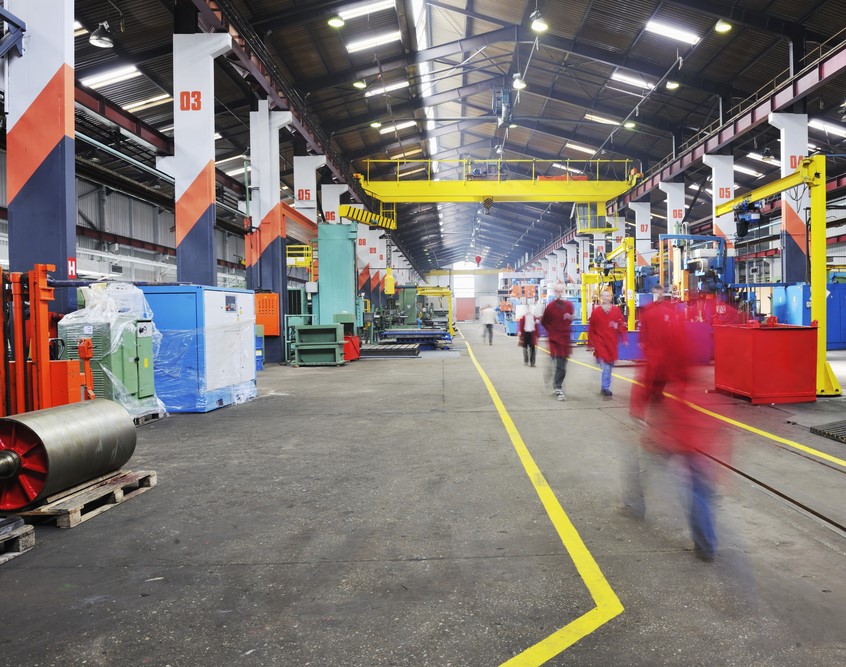
Coming out of the worst year for air cargo in a decade, the optimism for a rebound in 2020 has taken a blow with the recent drop in freight volumes. But despite the near-term challenges, underlying drivers point to long-term market growth and those organizations who can better navigate the headwinds have an opportunity to gain ground on their competition.
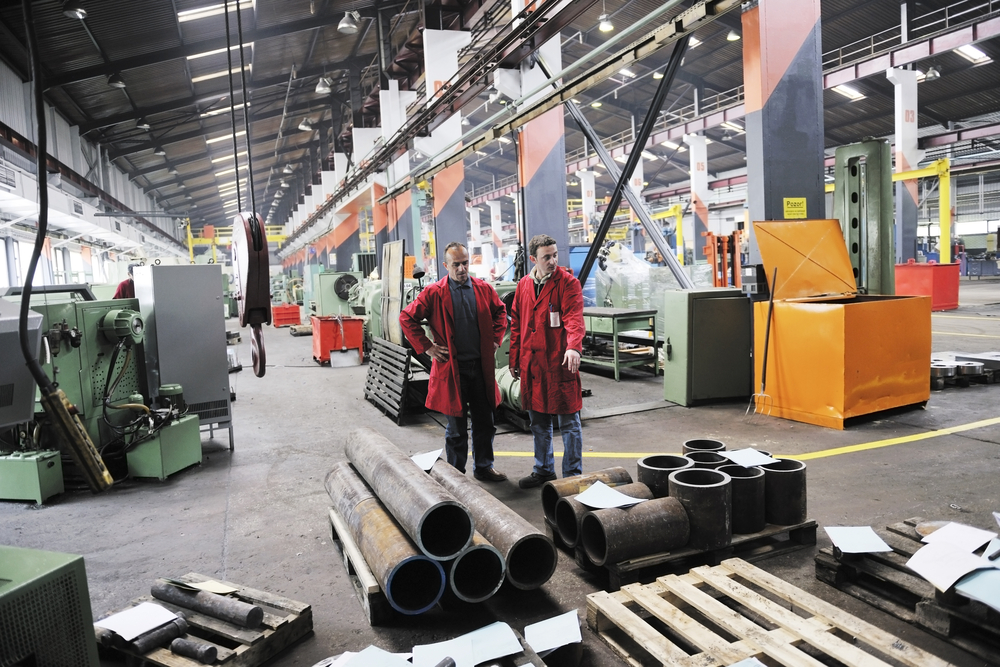
After all the rigorous financial modeling that goes into due diligence, it can be hard to imagine how anything could have been overlooked. But when firms don’t look at the numbers within the context of a meaningful operational assessment, they often wind up overpaying for targets.

Following the European Commission’s decision to block Alstom’s merger with Siemens train division last year to prevent a monopoly and possible price increases, Canada’s Bombardier has been exploring potential merger with Alstom in recent weeks. But even with an offer on the table a number of factors could ultimately derail the merger.
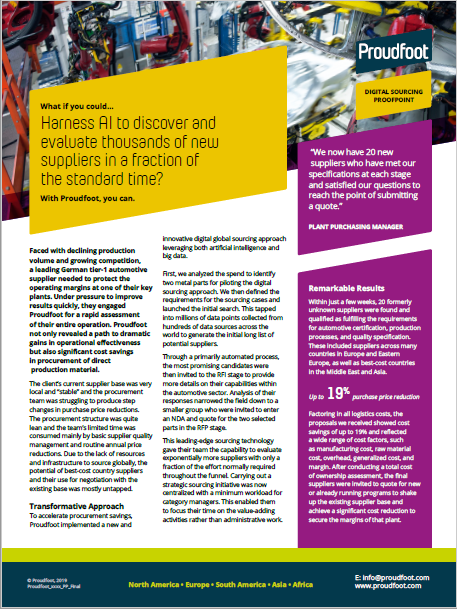
Business development is difficult enough even under the most ideal circumstances. But when systems and process issues are hindering your sales team just in performing the basic functions of their job, it’s almost impossible to be successful. And the question on everyone’s mind is: “How much better could our results be if only we could solve the operational barriers holding us back?”

Delivering the best possible quality to customers with the minimum possible input costs has always presented executives with a difficult balancing act. But the growing importance placed on quality and freshness in buying decisions and overall rising consumer expectations are creating more pressure than ever to source the best raw materials without increasing costs.
To make things even harder on buyers, most companies operate with very lean procurement departments. For a relatively small team with limited bandwidth, it’s a big enough task just to manage the basic procurement functions week to week. Lack of time and resources inevitably results in a less granular focus across categories and on individual items. This doesn’t only lead to missed opportunities at the point of execution. It creates a broader issue when leadership can’t find time to fully assess performance and leverage that insight to inform and enhance sourcing strategy.
Despite all of this, when there’s uncertainty around the direction of the global economy, procurement is often the first department to get handed down the directive for a substantial cost take out. For procurement teams that have already looked everywhere for savings, how can they reduce costs even more without sacrificing quality and freshness of raw materials?

While a ‘phase one’ deal may avoid further escalation, with the existing tariffs still in place and steel prices continuing to rise, along with the risk of recession and USMCA ratification on the congressional agenda, North American manufacturers find themselves at a pivotal moment.

What if you could deliver critical path items for your billion-dollar capital project, on time and on budget – with no lost time and no safety incidents?
Proudfoot designs, implements, and accelerates operational and digital transformation through people. Known for our hands-on approach, industry experience, and resolve, Proudfoot delivers an agile workforce, improves performance, expands profitability, and propels top-line growth for our clients.

Implementing a continuous improvement program is an important step toward increasing productivity. Having your plant manager and executives look at data from your processes hourly gives you greater visibility of performance issues across your operation. This added insight is valuable, but is your team properly interpreting the data in order to know the right course of action for a given problem?

More than ever, businesses today operate through a complex, interconnected system of handoffs. Often what looks like underperformance in one department is in fact a symptom of underlying misalignment between several business units, each acting on competing priorities.
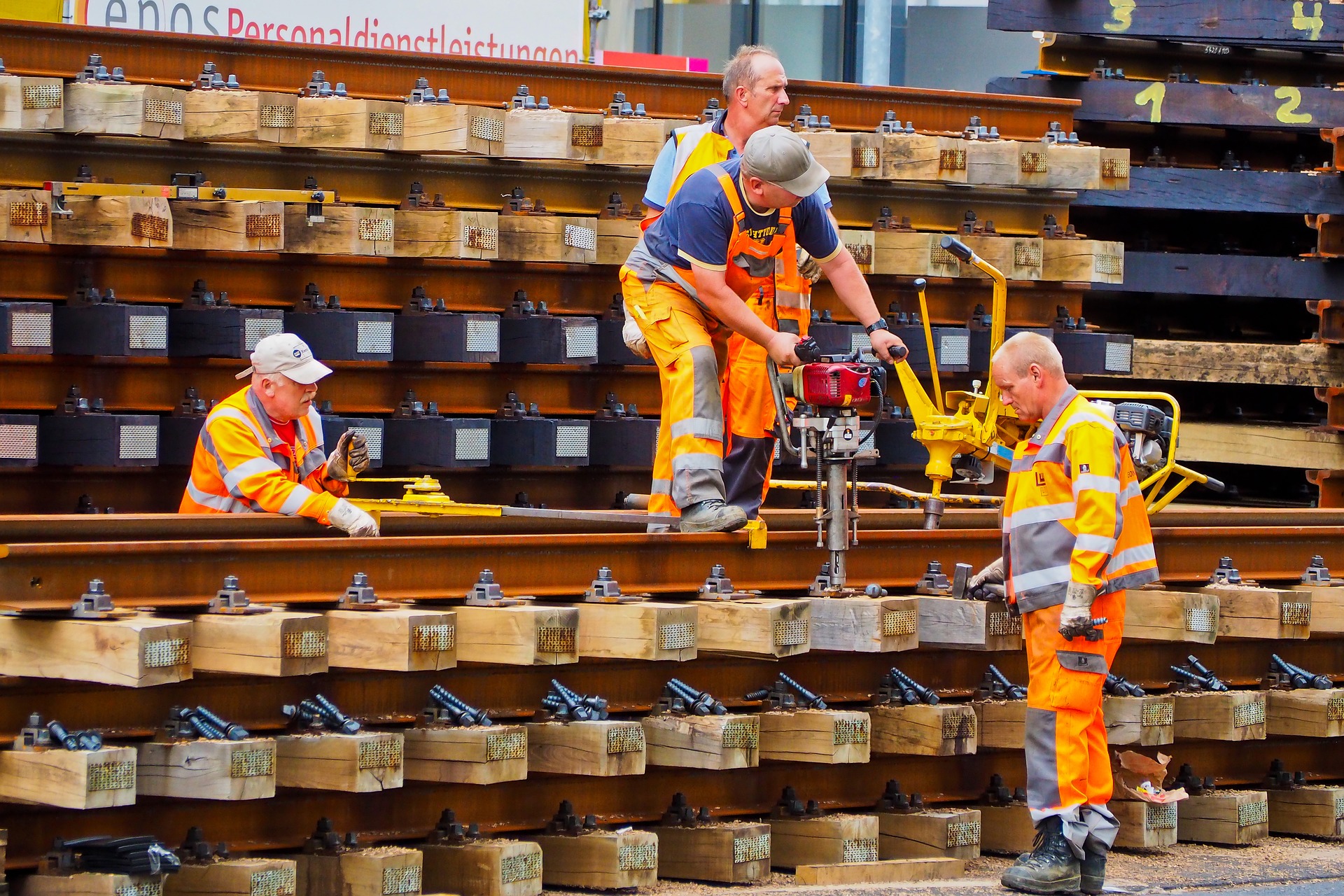
Across the rail industry, shortages in skilled labor and gaps in knowledge management are beginning to affect operations, meaning organizations across the sector are left to navigate structural challenges with respect to safety, operations, morale, and profits. How can you combat these industry-wide trends, improve throughput, and build a culture of efficiency and continuous improvement without adding any resources? It all starts with your people, the front-line workers, supervisors, and folks on the ground where the work gets done.

When a major food producer acquired a new production facility to keep up with growing demand, the plant faced challenges in nearly every phase of operations. Throughput and quality were suffering, costs were increasing, and the work force was frustrated. With the help of Proudfoot, they rapidly transformed their wall-to-wall operations and engaged the enthusiasm of their people.
Prior to engaging Proudfoot, their new Ohio packaged foods plant was struggling with numerous challenges related to packing, sealing, and cooking. Inefficient changeovers and sanitation procedures were also leading to excessive machine downtime.
Lack of effective communication and management visibility were major factors. “One of the issues we had was communication from the supervisor on the floor.” said their President. There was also no accountability for performance on the lines. “It didn't matter whether you ran good or ran bad,” said a Production Line Lead.
The organization was determined to quickly reduce costs and increase throughput in order to capitalize on the fast approaching holiday season. With no time to lose, the Proudfoot team got to work investigating the root causes of problems and addressing them at the source.
A key to the success of the project was how Proudfoot built trust with their people at every level from the beginning. “I am very proud of the entire plant embracing this project,” said their VP of Food Safety. This level of participation and trust allowed us to uncover improvement opportunities that leadership would otherwise never have known about.
In a short period of time, we helped the company improve systems, tools, and processes throughout their operation. Establishing our #HeadsUP active management leadership model increased employee engagement, contributing to:
|
|
“The level of engagement has gone up greatly… I think this not only helped us improve our operations and financials, but also the morale of our associates,” remarked the Senior Director of Finance.
Our end-to-end transformation of their operations and company culture propelled them to record production volumes and positioned them for ongoing success.
Download the full Case Study to learn more about how Proudfoot engaged their people to break through performance barriers and lift work force morale.

Contact the Proudfoot Industrials Management Team today at 404 260 0600 or info@proudfoot.com to discuss ways to increase production, reduce costs, and energize your work force.

Over the last decade, the aviation industry has experienced unprecedented growth, leading to major shifts and changes in the way the market has functioned and will function going forward. Since the end of the downturn almost a decade ago, Revenue Passenger Kilometers (RPKs), a common measure of airline performance, has averaged year-on-year growth of over 6% (source: IATA). This growth has been a boon for airlines and is indicative of the overall strength of the global economy. However, with growth comes challenges. One of the most pressing of these challenges for airlines, and adjacent maintenance organizations, is the ongoing struggle to meet labor requirements.

Every day there is more news about international trade. It can be quite a challenge to make the best decisions for your supply chain without knowing how the environment may change. Not only do you have to consider the potential impact on costs, but also the effects on the performance of your global supply chain. Are you losing sleep over how tariffs might throw a wrench into your cross-border operations? Let’s explore what the impact could be and examine some possible solutions.
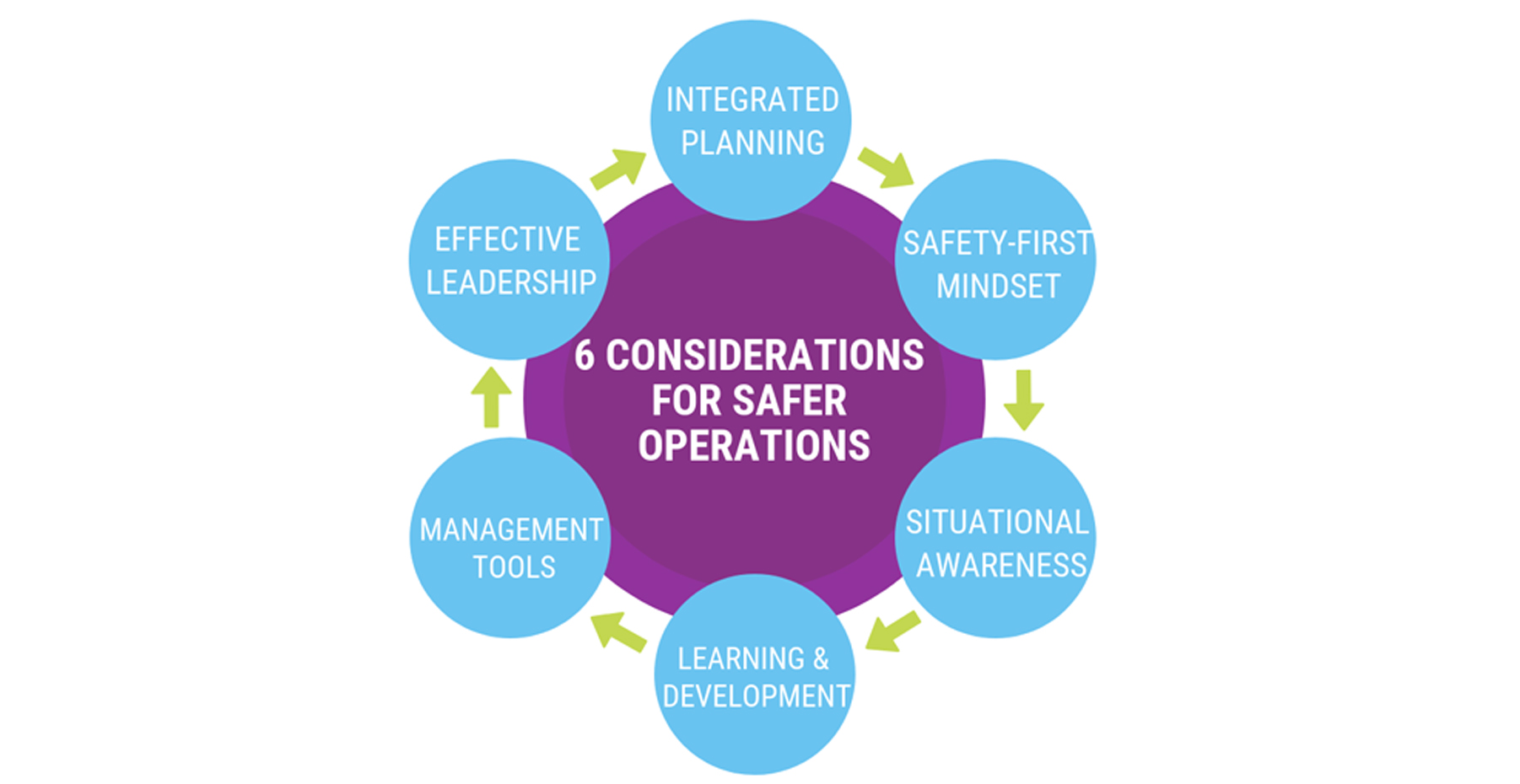
When companies prioritize safe, healthy operations, they enable their people to bring their best to work.
Last year, Proudfoot worked with five of the top mining construction companies worldwide. Jon Wylie, President of Global Natural Resources at Proudfoot, and Paul Batten, Vice President of Operations, share insight into the processes that lead to successful contractor management – from contract to performance measurement systems to project completion -- on large-scale, complex projects in this brief informative video.
What if you could make significant headway on your most pressing goals, delivering tomorrow’s results, today? With Proudfoot, you can. Jon Wylie, President of Global Natural Resources at Proudfoot, and Paul Batten, Vice President of Operations, discuss the benefits and flexibility of both short- and long-term engagements, including a project that started as a 6-month engagement and expanded to a 2-year engagement, ultimately bringing in over $184 million in annualized benefits for the client. At Proudfoot, we take pride in providing measurable financial benefits to our clients.


